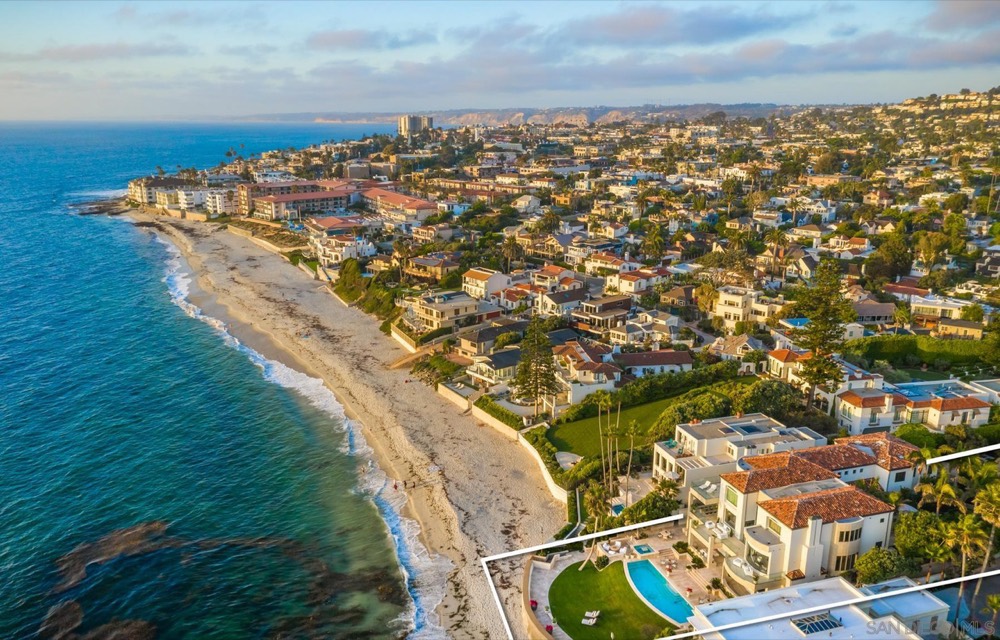
There is a version of every house that exists at noon. The sun is high and forgiving, shadows are short and tidy, the water reads as a clean blue band, and the rooms look the way the camera promised. It is a flattering hour, and it is the hour most photographs are taken.
But no one lives at noon. People live at four o'clock, when the light has turned and started asking questions. They live in the soft gray of a June morning and the long amber of an October evening. They live in the hours a listing does not show. The work of reading a coastal property well is the work of being present in those hours, with the camera put away.
The Photograph Is a Single Frame of a Long Day
A listing image is an argument, and a good photographer is a persuasive one. The angle is chosen, the light is chosen, the season is chosen. None of this is dishonest. It is simply incomplete.
A west-facing great room can look serene in a morning frame and become difficult by late afternoon, when the sun drops low over the water and turns the glass into a wall of glare. A patio that photographs as a calm threshold to the ocean may, at five o'clock, be too bright to sit in without squinting. The frame is true. The day is truer.
What I look for is not whether a home can produce one beautiful image. Nearly all of them can. I look for how the home behaves across the hours it is asked to live through.
Western Exposure Is Both the Gift and the Bill
In coastal San Diego, the ocean is to the west, and so the most prized orientation is also the one that delivers the heaviest afternoon light and heat load. This is the central tension of an oceanfront room, and it is worth understanding before you fall in love with the view.
West-facing glass collects the day's accumulated warmth and releases the afternoon's strongest light directly into the rooms you most want to use in the evening. Whether that becomes a pleasure or a problem depends on details that rarely appear in a description: the depth of an overhang, the placement of shade, the quality of the glazing, the cross-ventilation that does or does not move warm air out as the day cools.
A view is what a house offers you. Light is what a house does to you. The first sells the home; the second decides whether you can live in it.
A home that has answered these questions well feels effortless at four o'clock. A home that has not will tell you, in heat and glare and the small daily friction of pulling shades you did not expect to need.
Coastal Distinction
Features are easy to list. Conditions decide whether the house can hold a day.
The Marine Layer Has a Calendar
Anyone who has spent a season on this coast knows the gray. The marine layer can settle over the shoreline in the late spring and early summer, softening the mornings and, in some weeks, holding into the afternoon. Locals have their own shorthand for it; what matters here is that it is a rhythm, not a flaw, and it varies block by block and bluff by bluff.
I pay attention to how a home sits inside that rhythm. Properties closer to the water often hold the cool gray longer, which some buyers find restful and others find dim. A few streets inland, the same morning can break to sun an hour sooner. Neither is better. But a buyer who only ever sees a house in clear October light should understand what June can ask of the same rooms, and a seller should know which season shows their home in its most honest, most generous condition.
Privacy Is a Function of Time, Not Just Distance
Privacy is often described as a fixed feature: a setback, a hedge, a fence line. In practice it moves with the day. A terrace that feels secluded in the morning may be fully exposed to a neighboring window once the afternoon angle shifts. Sightlines open and close as the sun travels. The quiet of a street depends on whether it is a route to the beach at four o'clock on a Saturday.
Reading privacy means returning at the hours it is most tested, and noticing where the eye of the world actually lands on a property when daily life is in motion.
The Threshold Between Inside and Out
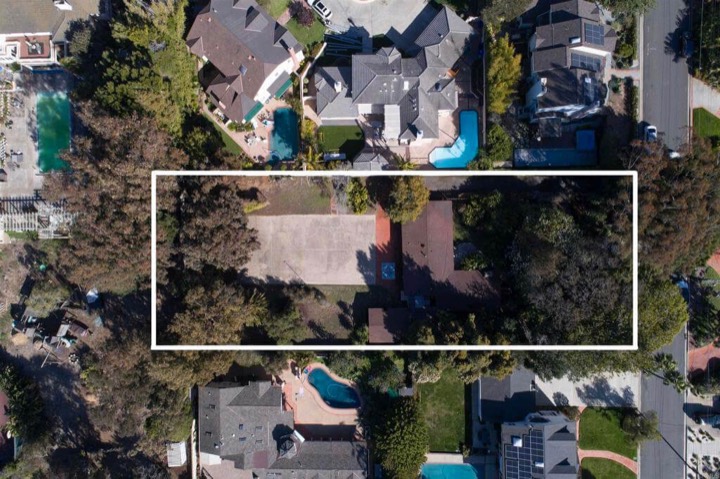
Much of the real value of a coastal home lives at its edges: the transition from interior to terrace, the doors that open or do not, the shaded corner that makes an evening outside possible. These edges are where the home either invites the day in or holds it at arm's length.
I watch how a house manages that threshold as conditions change. Does the outdoor space remain usable when the wind comes up in the afternoon? Is there a place to sit that works at glare, and another that works at dusk? A home that gives you somewhere to be in every part of the day is quietly worth more than one that photographs better but offers a single comfortable hour.
For Buyers: Conditions Are the Asset
Features are easy to list and easy to compare. Conditions are harder to see and far more decisive. Two homes with identical descriptions - same square footage, same view band, same finishes - can live entirely differently because of orientation, shade, and the way each handles the late hours.
The discipline I bring to a property is the discipline of return: seeing it at morning gray and afternoon glare, on a still day and a windy one, and asking whether it is restful when the day changes. That is where lasting value, and lasting fit, actually reside.
For Sellers: Show the Hours That Serve You
If you are preparing to sell, the same reading works in your favor. Every home has hours that flatter it and hours that do not. Positioning is the quiet work of presenting your home in its true best condition: choosing the season, the time, and the approach that let a serious buyer see what is genuinely strong, without overselling what is not. Buyers at this level can feel the difference between a home that has been staged for a frame and one that holds up across a day.
A house knows things at four o'clock that it keeps to itself at noon. The whole of my work is to listen at the right hours, and to tell you plainly what I hear.
Use the guided source records as the starting point for a deeper read: light, exposure, privacy, orientation, and daily rhythm. Source records are curated references, not a live MLS/IDX feed.